
01
Problem first
We score the operating need, not the product page.

CashPrime Operations Advisor/Solution blueprint
Five operating signals test whether this solution should lead the decision, support another layer, or wait until the operating model is clear.
Solution blueprint
We will determine whether this solution should lead the decision or operate as one layer in a wider architecture.
We score the operating need, not the product page.
A result can confirm, qualify, or reject the current route.
Hardware, controls, data, service, and workflow stay connected.
Continue the solution journey
Place the solution in your industry, connect it to the platform layer, and define a practical next conversation.
Operating solution
Operating solution
Your operating scope travels with you
Explore and save equipment, ARKASH modules, and operating touchpoints to build a live decision brief.
CashPrime | Engineered cash operations
From taking cash and giving change to deposit, collection, preparation, sorting and reconciliation. Design the operating flow first. Then choose the machines.
From the till to bank reconciliation
Identify the operator, accept the supported notes, review the amount and issue a receipt. Choose bags or acceptance cassettes around your collection model, not just the headline capacity.
Keep the transaction reference linked to the bag or cassette.
Explore this step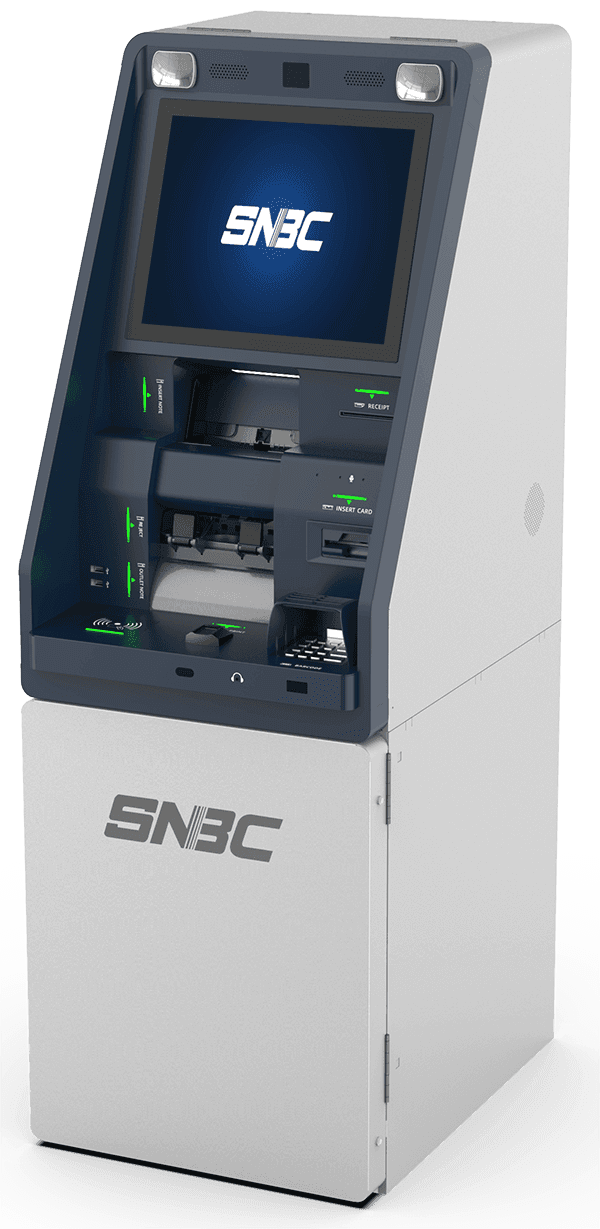
Start with the job, then choose the machine
Compare specifications, installation footprint and operator workflow for each model. The right fit depends on notes per shift, collection intervals and custody controls.
Bag deposit terminal
Up to 20,000 notes in a bag
A staffed cash room or customer deposit point needing receipts and controlled identity.
Specifications and brochure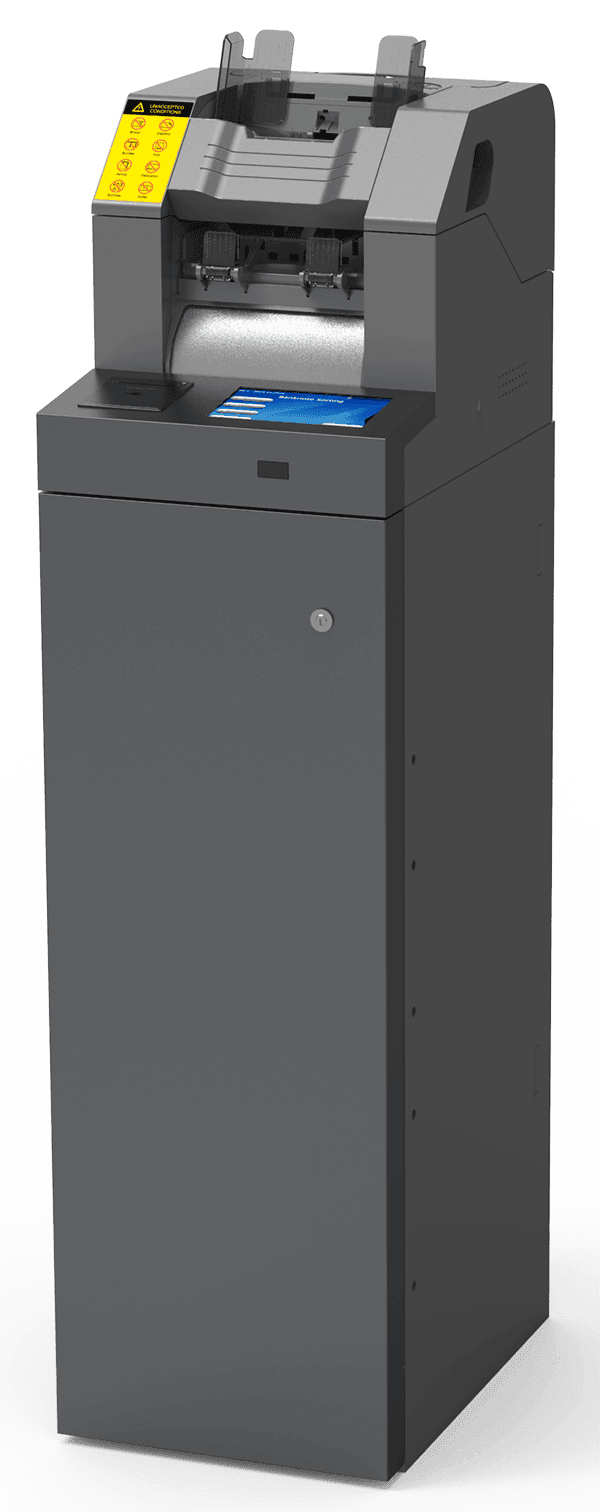
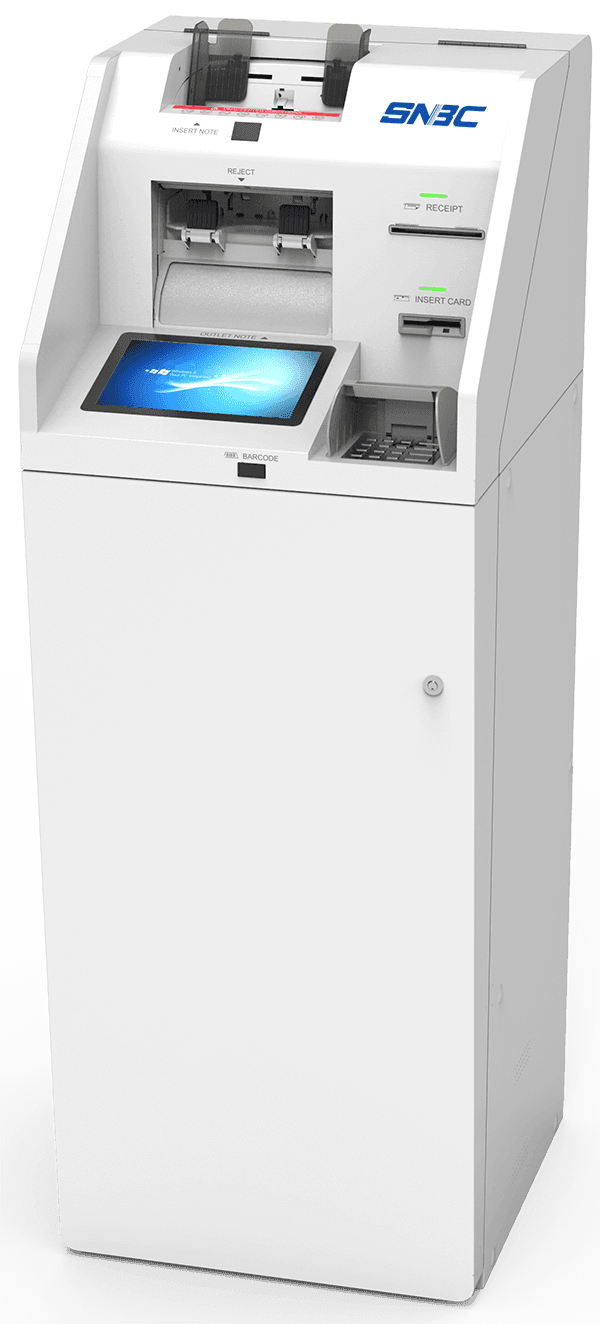
Compact bag deposit
5K / 10K / 20K bag options
Retail back offices and petrol stations where floor space and repeat shift deposits matter.
Specifications and brochureHigh-capacity bag deposit
Up to 30,000 notes in a bag
High-volume retail estates and deposit points with larger storage and self-service requirements.
Specifications and brochure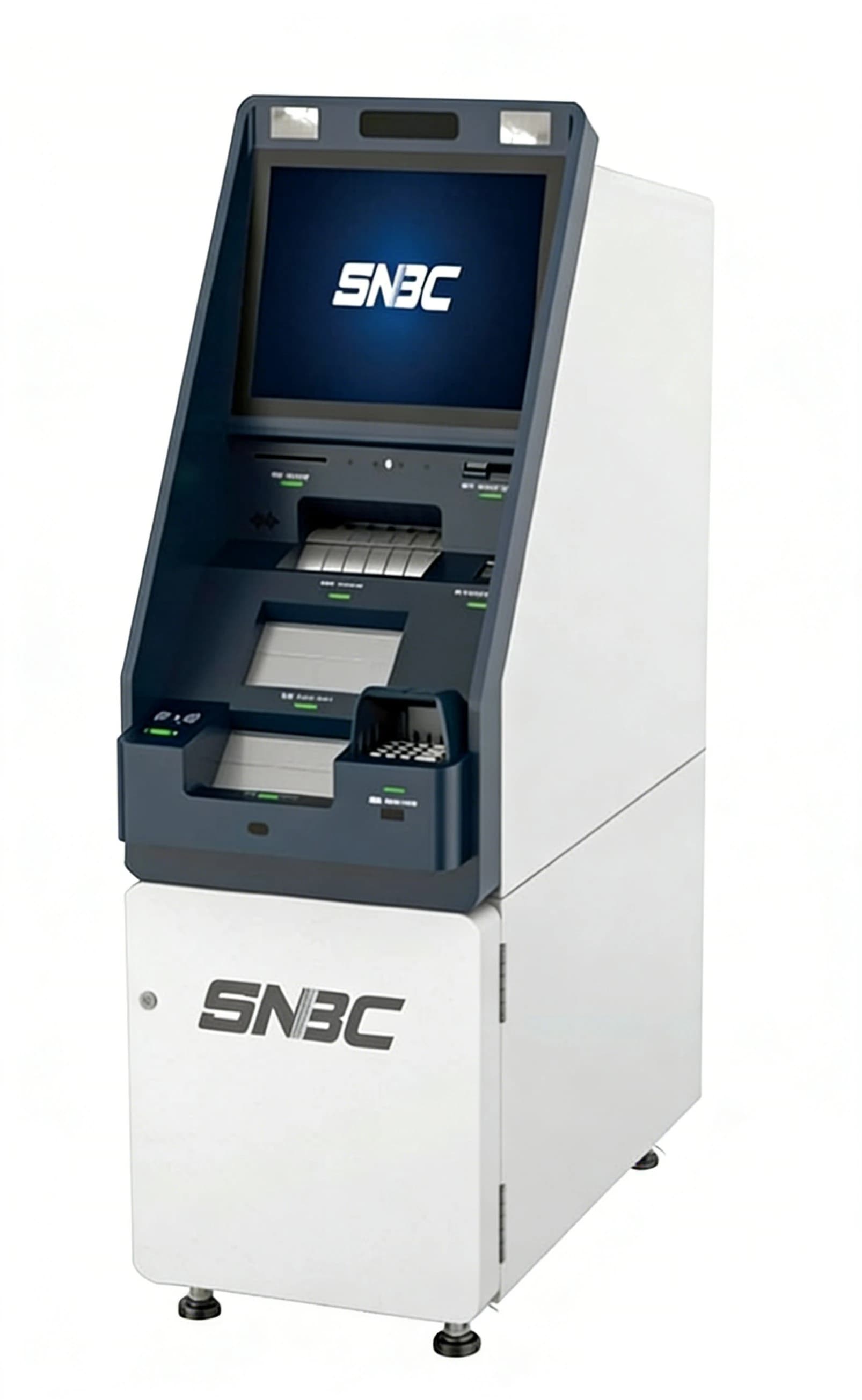
Cassette deposit terminal
5 acceptance cassettes × 3,400 notes
Operations that prefer controlled cassette exchange to bag collection, with space for a deeper terminal.
Specifications and optionsExplore your operating scenario
Nominal storage needed for this scenario
12,000 notes
Daily notes × days × (1 + additional allowance), rounded up.
20,000 nominal notes cover the estimate; verify usable capacity.
20,000 nominal notes cover the estimate; verify usable capacity.
30,000 nominal notes cover the estimate; verify usable capacity.
17,000 nominal notes cover the estimate; verify usable capacity.
A planning estimate, not a purchase recommendation or acceptance guarantee. Note condition, denomination mix and cassette allocation can reduce usable capacity. Include holidays and delays, and test your site before agreeing collection intervals.
Before you buy
Use the currencies, denominations, worn notes and peak shift volumes your teams handle. Record accepted notes, rejects, re-feeds and total operator time, not just the rated counting speed.
Compare peak deposits between pickups with usable bag or cassette capacity. Include weekends, access restrictions, power loss and the procedure when the machine is full.
Trace cashier identity, receipt, sealed bag, CIT handover and bank reconciliation. Agree who owns discrepancies and which records must reach ARKASH, your POS or ERP.
Ask for written response and repair targets, spare-part availability, software-update responsibility and a tested offline recovery procedure. Confirm coverage for your actual site.
For Egypt, the UAE and Saudi Arabia, start with local notes, bank and CIT arrangements, and site conditions. One configuration should not be assumed to fit every market.
Review your requirementsNo. Recording notes in a machine is not the same as bank settlement. Provisional credit, eligible currencies, cut-off times, reversals and liability depend on the bank agreement, CIT arrangements and insurance. Get these terms in writing before including a working-capital benefit in your business case.
Confirm each currency and banknote series against the exact model and installed currency software. A multi-currency label is not proof that every currency, polymer series or denomination is supported. Run a site acceptance test with representative local notes.
If your bottleneck is counting at a supervised desk, start by evaluating a value counter or sorter. If operators also need controlled cash dispensing, evaluate a recycler. A deposit machine fits a need to record and secure incoming notes; it does not automatically solve dispensing, staffing or reconciliation problems.
Request the exact hardware configuration, currency software, installation, integration scope, consumables, licences, maintenance, training and acceptance criteria. Compare total operating cost with your measured manual process. Savings are site-specific, not a fixed percentage supplied by the machine.
The CashPrime approach: define the problem, test the evidence, then select the right equipment, integration and service. The first step may be improving your current process instead of buying another machine.
Before purchase approval
This is a proposed test plan, not customer results or certification. Agree the sample, acceptance thresholds and responsible people before the pilot, and record any unmet requirement.
After the deposit bags arrive
Receipt and controlled bag opening start the processing job; they do not finish it. The organizer conveys, aligns and stages loose banknotes for the sorter, while your operating procedure preserves each batch identity.
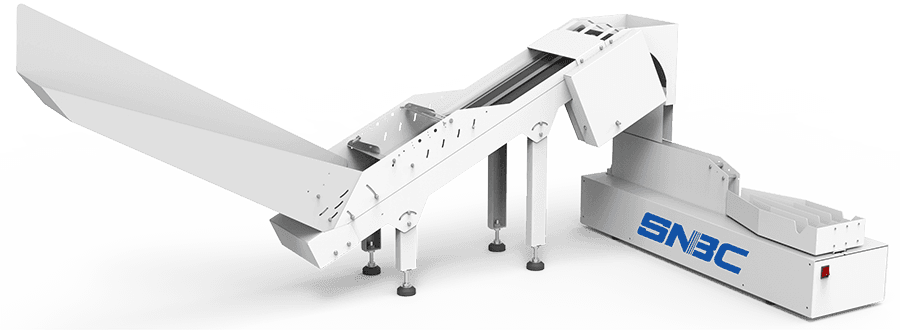
Input hopper
10K
Output trays
4
Rated notes / hour*
40–50K
*Rating in current manufacturer literature. The older presentation and video quote 20–30K notes/hour. Confirm the revision and test sustained throughput; the organizer does not count denominations, authenticate notes or grade fitness.
When cash also needs to come back out
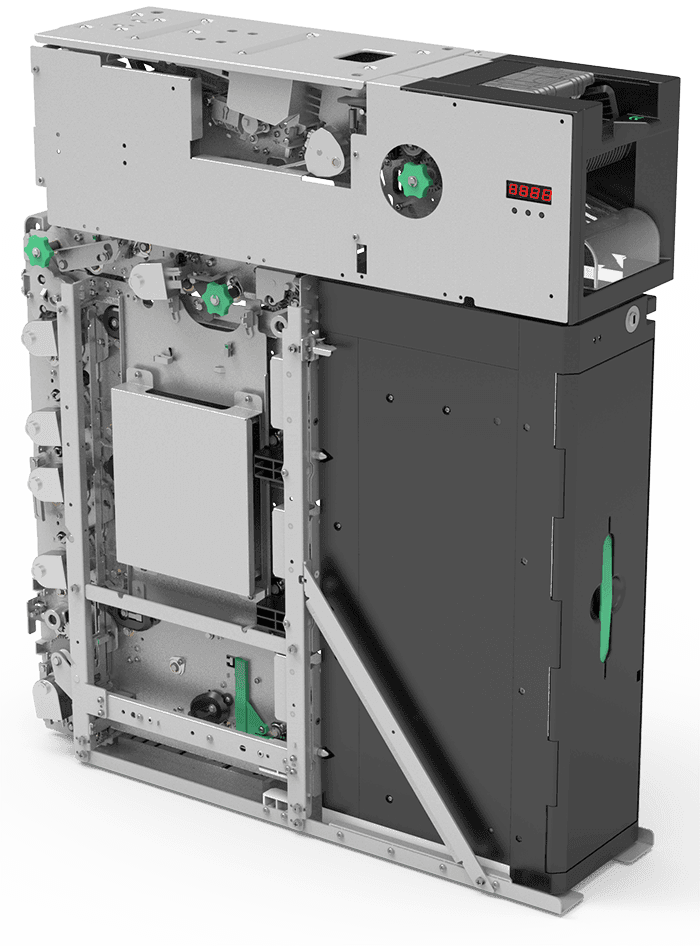
Banknote recycling module
Compact note recycling for an integrated terminal.
Specifications and configuration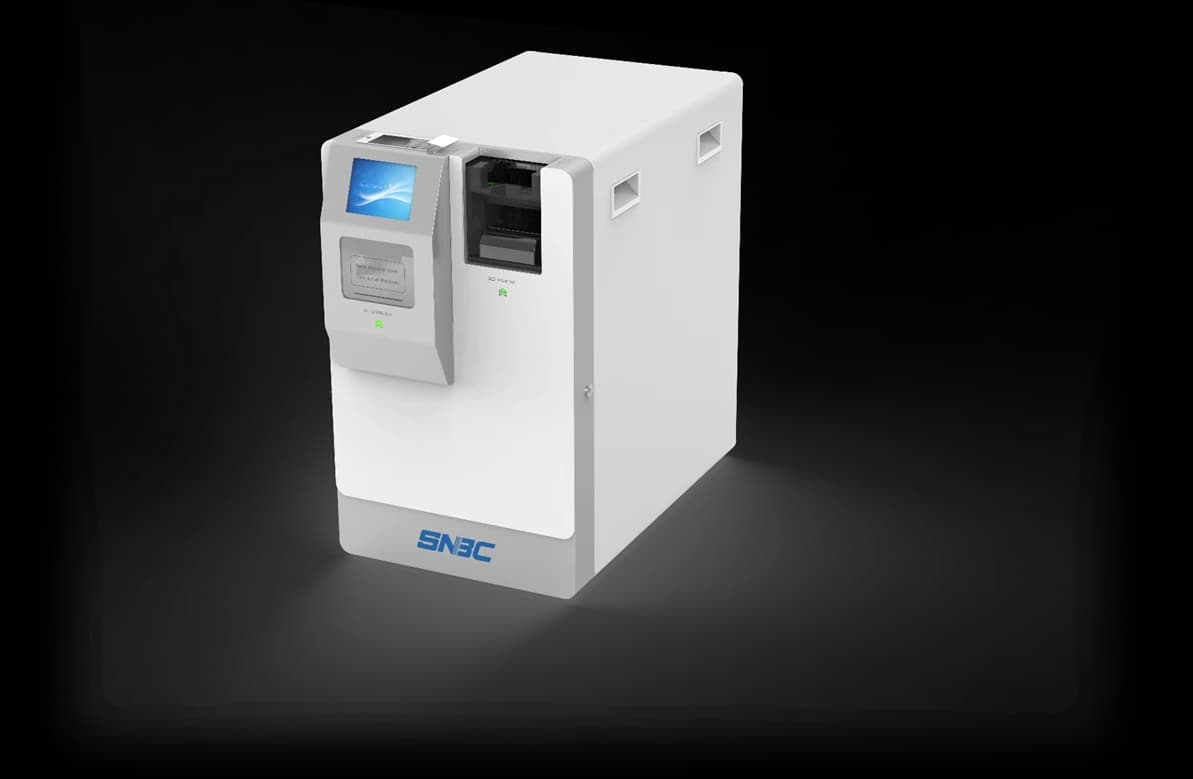
Retail cash recycling terminal
Notes and coins. One counter workflow.
Specifications and configuration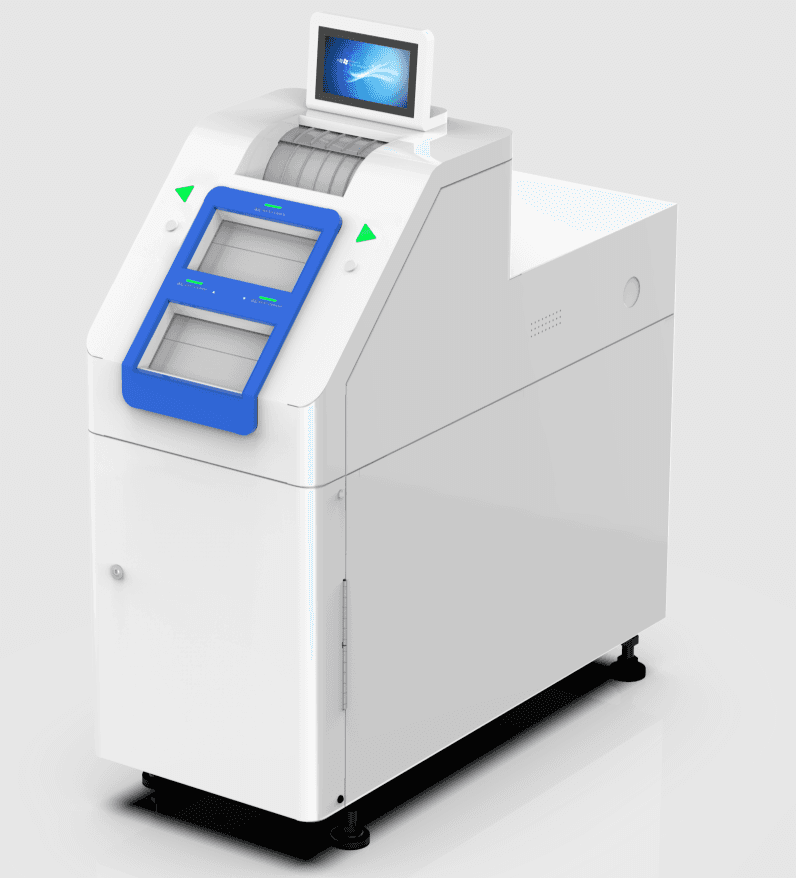
Teller Cash Recyclers
For bank tellers who need to reuse deposited notes for withdrawals, with denomination stock and a teller-application integration.
Specifications and configurationFor deposit without payout, compare BDM-10 and BDM-10B. For supervised counting or central processing, choose the right counting, sorting or strapping stage.
Engineer the solution, not just the machine
UL291 and CEN safe requirements concern the approved enclosure, grade and configuration. Request the certificate reference, protection grade, locks and anchoring for each model. Plate thickness alone is not certification; a safe approval does not cover the bag.
Verify PCI approval for the exact encrypted PIN pad and EMV approval for the selected card reader, including version and validity. These do not automatically make the site, software or every device PCI DSS compliant. Options vary by model.
CEN/XFS is a software device interface, not a safe rating. Specify the service-provider version, device functions, operating system and host tests. NDC support or an available API does not prove bank or ARKASH integration is ready without implementation and testing.
Start the integration scope with device, transaction and storage-unit identity. Then connect deposits to collection, counting, differences and bank posting. Agree offline operation, replay without duplicate posting, approval permissions and data retention. Manufacturer software is not ARKASH; the project defines what is connected and tested.
Base the quotation on certificates for the exact components and safe, not a generic list of certification logos.
From the official SNBC channel
SNBC demonstration of note preparation. This older video quotes 20–30K notes/hour; confirm the revision offered.
See the downstream sorting stage on the model named by the manufacturer.
A deposit-module demonstration, not a claim that every BDM terminal has this exact configuration.
Related SNBC recycling technology. The video shows R001, not the R900 or BNE-R10 offered above.
Bring your note volumes, collection plan and site constraints. We will define the equipment, controls, integration and acceptance criteria with you.